


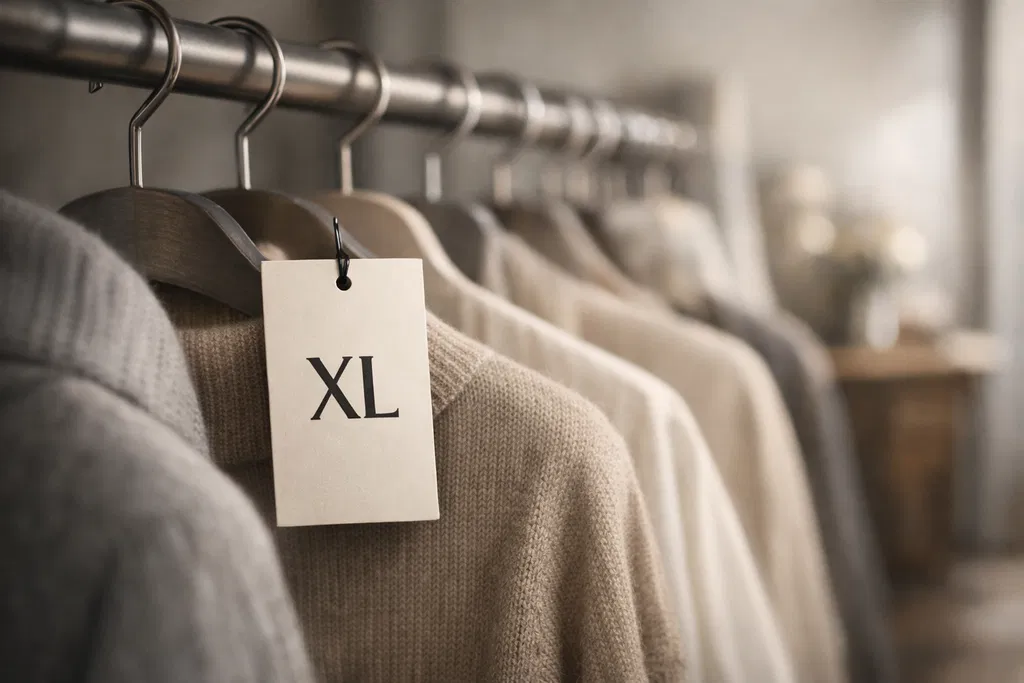
Standing in a clothing store and staring at a shirt labeled XL can raise a surprisingly common question: What exactly does that size mean? While the label appears simple, XL (Extra Large) is actually part of a standardized apparel sizing system designed to help shoppers find clothes that fit comfortably across different brands and countries.
However, clothing sizes are not always as straightforward as they seem. The meaning of Extra Large can vary slightly depending on the manufacturer, garment type, and even whether the clothing is designed for men or women. Understanding how XL fits within the broader sizing system can make shopping both online and in stores a lot easier.
What Does XL Mean in Clothing?
In the world of apparel sizing, XL stands for “Extra Large.” It is typically one size larger than L (Large) and one size smaller than XXL (Extra Extra Large).
Standard Clothing Size Progression
| Size Label | Meaning |
| XS | Extra Small |
| S | Small |
| M | Medium |
| L | Large |
| XL | Extra Large |
| XXL | Extra Extra Large |
The letter “X” functions like a multiplier for “extra.” Each additional X indicates an increase in size.
For example:
- XL → Extra Large
- XXL → Extra Extra Large
- XXXL → Triple Extra Large
This labeling system is widely used across global clothing brands.
Typical Measurements for XL Size
Although exact measurements vary by brand, XL clothing generally corresponds to specific body measurements.
Common XL Size Measurements
| Category | Women’s XL | Men’s XL |
| Chest/Bust | 40–42 inches | 44–46 inches |
| Waist | 33–35 inches | 38–40 inches |
| Height (approx.) | 165–170 cm | 178–183 cm |
In many international sizing charts:
- Women’s XL may correspond to EU size 44
- Men’s XL may correspond to EU size 52
These numbers represent body dimensions rather than garment measurements.
Why Clothing Sizes Can Vary Between Brands
Even though the XL label follows general standards, the exact fit can differ between brands.
Common Reasons for Size Differences
- Different design philosophies
- Regional sizing standards
- Fabric stretch and tailoring
- Target audience body proportions
For instance, an XL athletic shirt may fit more snugly than an XL casual hoodie because athletic wear is designed for a closer fit.
How XL Applies to Different Clothing Types
The XL size is used across many categories of apparel.
Clothing Items Commonly Available in XL
- T-shirts
- Dress shirts
- Jackets
- Sweaters
- Hoodies
- Trousers
- Sportswear
However, the exact measurements change depending on the garment style. For example:
| Clothing Type | Fit Characteristics |
| T-Shirt | Looser chest and sleeve fit |
| Jacket | Extra shoulder and sleeve space |
| Pants | Larger waist and thigh area |
This is why checking size charts is always recommended before purchasing.
How to Choose the Right XL Fit
Selecting the correct size involves more than simply choosing the label.
Tips for Finding the Best Fit
- Measure chest, waist, and height accurately
- Compare measurements with the brand’s size chart
- Consider fabric stretch and garment style
- Read customer reviews about sizing
Many experienced shoppers follow a simple rule: trust measurements more than labels.
XL in International Clothing Systems
Different regions use slightly different sizing systems.
Example Size Conversions
| Region | XL Equivalent |
| US | XL |
| Europe | 52 (men), 44 (women) |
| UK | 16–18 (women) |
| Asia | Often XXL or larger |
Asian clothing brands often run smaller in sizing, meaning shoppers may need to go one size up.
Why Understanding XL Matters for Online Shopping
With the growth of e-commerce, shoppers rely heavily on size labels when buying clothes online.
Understanding what Extra Large actually means can help:
- Reduce product returns
- Improve shopping confidence
- Ensure better garment fit
When buying online, combining size charts, body measurements, and product reviews usually produces the best results.
Final Thoughts
The label XL (Extra Large) may look simple, but it represents a standardized clothing size system used across global fashion markets. Positioned between Large and Extra Extra Large, XL generally corresponds to medium-to-large body measurements depending on the garment type and brand.
Still, clothing sizes are not perfectly universal. Differences in design, region, and fabric mean that an XL from one brand may fit slightly differently from another. That’s why the smartest approach to shopping is simple: check measurements, compare size charts, and try to understand the sizing system behind the label.
After all, finding the perfect fit isn’t just about the size on the tag it’s about how comfortably the clothing works with your body.
