


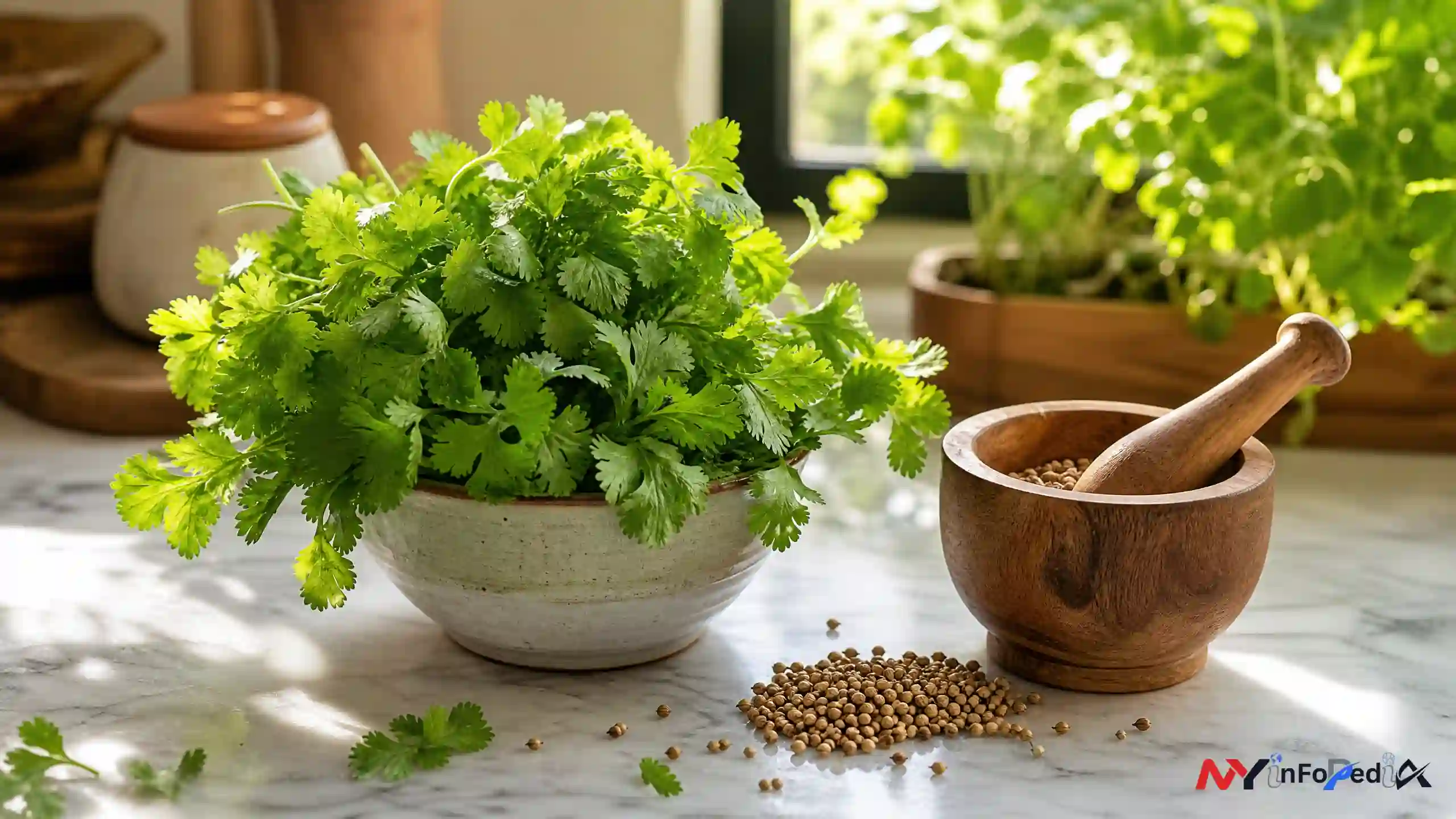
Koriandri is one of those herbs people rarely ignore. Some absolutely love its bright citrusy taste. Others take one bite and immediately wonder why their tacos taste like soap. Strange reputation aside, koriandri remains one of the most widely used herbs on earth.
Known globally as coriander or cilantro, koriandri is far more than a garnish tossed on curries or salads. It carries centuries of culinary history, medicinal relevance, and cultural identity. From Indian kitchens to Mexican street food stalls, from herbal teas to wellness smoothies, this humble green herb quietly appears almost everywhere.
In 2026, interest in natural foods, plant-based nutrition, and home cooking has pushed koriandri back into the spotlight. People are searching for practical answers. Is koriandri healthy. What does it actually do for the body. Why do some people hate the taste. Can you grow it at home. What is the difference between coriander and cilantro.
This guide answers all of that in a simple, detailed, and genuinely useful way.
What Is Koriandri
Koriandri is the common South Asian and regional name for coriander, scientifically known as Coriandrum sativum. It belongs to the Apiaceae family, the same plant family as parsley, fennel, celery, and carrots.
The plant gives us two widely used ingredients:
| Part of Plant | Common Name | Main Use |
| Fresh leaves | Cilantro or coriander leaves | Garnish, salads, curries, sauces |
| Seeds | Coriander seeds | Spice blends, seasoning, oils |
What makes koriandri unusual is that the leaves and seeds taste completely different.
The fresh leaves are sharp, green, citrusy, and slightly peppery. The seeds are warm, nutty, earthy, and mildly sweet after roasting.
That is why the same plant appears in both fresh summer salsa and deeply spiced winter curry. Few herbs manage that double life so well.
The History of Koriandri Goes Back Thousands of Years
Koriandri is not a modern wellness trend pretending to be ancient. It genuinely is ancient.
Archaeological evidence suggests coriander was cultivated over 3,000 years ago in regions around the Mediterranean and Asia. Seeds were reportedly discovered in the tomb of Tutankhamun in ancient Egypt. Greek and Roman civilizations used it in cooking, perfumes, and herbal preparations.
Historical references to coriander also appear in early religious texts and ancient medicinal systems.
Today, koriandri remains deeply rooted in:
- Indian cuisine
- Middle Eastern cooking
- Mediterranean dishes
- Latin American food
- Southeast Asian recipes
- Traditional herbal medicine
A herb surviving this long across multiple civilizations usually means one thing. Humans found consistent value in it.
Why Koriandri Tastes Different to Different People
This is one of the internet’s favorite herb debates.
Some people describe koriandri as fresh and lemony. Others insist it tastes exactly like soap.
Oddly enough, both groups are correct.
Research published through institutions like the National Institutes of Health and genetic studies referenced by Harvard-related discussions suggest variations in the OR6A2 gene affect how certain people perceive aldehydes in coriander leaves. Those sensitive to these compounds may detect a soapy flavor.
So if someone dramatically pushes coriander off their plate, genetics may actually be involved. Not just stubbornness.
Nutritional Value of Koriandri
Despite being used in small quantities, koriandri contains an impressive nutritional profile.
Key Nutrients Found in Koriandri
| Nutrient | Potential Role |
| Vitamin C | Immune support |
| Vitamin K | Bone and blood health |
| Vitamin A | Vision and skin support |
| Potassium | Fluid balance |
| Magnesium | Muscle and nerve function |
| Calcium | Bone strength |
| Antioxidants | Cellular protection |
| Dietary fiber | Digestive support |
Fresh coriander leaves are especially rich in antioxidants and plant compounds that may support overall wellness.
Reliable nutrition references such as the USDA FoodData Central database provide detailed nutrient breakdowns for coriander leaves and seeds.
Health Benefits of Koriandri
1. May Support Digestion
Koriandri has long been used in traditional digestive remedies.
Many people consume coriander tea or roasted coriander seeds to help with:
- Bloating
- Gas
- Mild stomach discomfort
- Indigestion
- Appetite regulation
The herb contains natural compounds believed to stimulate digestive enzymes and support gut function.
In many South Asian homes, coriander seed water is still used after heavy meals. Grandmothers knew something modern wellness influencers recently rediscovered.
2. Rich in Antioxidants
Koriandri contains antioxidants that help combat oxidative stress.
Oxidative stress is linked to aging and various chronic conditions. While coriander is not a miracle cure, diets rich in antioxidant-containing herbs and vegetables generally support better long-term health.
3. Potential Blood Sugar Support
Some animal and preliminary human studies suggest coriander seeds may help regulate glucose metabolism and insulin activity.
That does not make koriandri a replacement for medical treatment. Still, adding it to a balanced diet may support healthier eating patterns.
4. Supports Heart Health
Research suggests coriander may help:
- Support circulation
- Improve lipid balance
- Reduce excess sodium effects through potassium content
Again, herbs alone do not fix cardiovascular issues, but small dietary habits often add up over time.
5. Natural Detox Support
Koriandri is commonly discussed in detox culture because of its potential role in helping the body manage heavy metals and oxidative compounds.
The word detox gets exaggerated online, so it helps to stay realistic. Your liver and kidneys already detoxify naturally. Herbs like coriander may simply support those normal processes rather than magically cleanse the body overnight.
Culinary Uses of Koriandri
Koriandri works in an incredible range of foods.
Fresh Leaves
Fresh koriandri leaves are commonly added to:
- Curries
- Soups
- Rice dishes
- Chutneys
- Salads
- Tacos
- Salsa
- Guacamole
- Sandwiches
- Noodles
One small handful can completely brighten a dish.
Coriander Seeds
The seeds are widely used in:
- Garam masala
- Curry powders
- Spice rubs
- Marinades
- Pickles
- Roasted vegetables
- Sausages
- Bread recipes
Roasting coriander seeds before grinding intensifies their aroma significantly.
Coriander Root
In Thai and Southeast Asian cooking, coriander roots are prized for their concentrated earthy flavor.
They are often crushed with garlic, chilies, and pepper into aromatic curry pastes.
Koriandri in Global Cuisine
India and Pakistan
Koriandri is almost unavoidable in South Asian cooking.
Fresh dhania leaves garnish dals, biryani, kebabs, curries, and chaat. Ground coriander seeds appear in countless masalas.
Mexico
Cilantro is central to Mexican cuisine.
You will find it in:
- Salsa verde
- Tacos
- Guacamole
- Rice dishes
- Street food toppings
Without cilantro, many Mexican dishes feel oddly incomplete.
Middle East
Koriandri is used in:
- Falafel
- Hummus
- Tabbouleh
- Baharat spice blends
- Meat marinades
Southeast Asia
Thai and Vietnamese cooking often rely on coriander roots, leaves, and stems for soups and curry bases.
Growing Koriandri at Home
One reason koriandri remains popular is how easy it is to grow.
Even beginners can usually manage it with basic care.
Simple Growing Tips
| Requirement | Ideal Condition |
| Sunlight | Partial to full sunlight |
| Soil | Well-drained soil |
| Water | Moderate watering |
| Climate | Mild to warm |
| Harvest Time | 3 to 6 weeks for leaves |
A small balcony pot can produce enough fresh coriander for regular cooking.
One warning though. Coriander plants sometimes bolt quickly in very hot weather. You think everything is going perfectly, then suddenly the plant decides it wants flowers instead of leaves. Gardening keeps people humble.
Koriandri in Modern Wellness Culture
In recent years, koriandri has become heavily associated with:
- Green smoothies
- Detox drinks
- Herbal teas
- Organic recipes
- Plant-based diets
- Functional nutrition
Health bloggers often call it a super herb, though that term gets overused online.
What matters more is practicality. Koriandri is inexpensive, widely available, nutrient-rich, and easy to include in meals. That combination matters far more than trendy labels.
Difference Between Coriander and Cilantro
This confuses many people.
Here is the simplest explanation.
| Term | Meaning |
| Coriander | Usually refers to seeds |
| Cilantro | Refers to fresh leaves |
| Koriandri | Regional name for coriander/cilantro |
In the UK and many Asian countries, both leaves and seeds may simply be called coriander.
In the United States, cilantro usually means leaves, while coriander means seeds.
Same plant. Different naming systems.
Possible Side Effects and Precautions
Koriandri is generally safe when consumed in normal food quantities.
However, some people may experience:
- Allergic reactions
- Digestive irritation
- Sensitivity to strong aroma
- Skin irritation from essential oils
People on medication for diabetes or blood pressure should avoid excessive supplement use without medical guidance because coriander may influence glucose or circulation.
Moderation still matters, even with healthy herbs.
Why Koriandri Remains Timeless
Food trends change constantly.
One year everyone is obsessed with kale. The next year people are putting chlorophyll into sparkling water for reasons nobody fully understands.
But koriandri keeps surviving every trend cycle.
Why.
Because it offers real utility.
It adds freshness, depth, aroma, color, nutrition, and cultural familiarity all at once. It works in street food and fine dining equally well. It belongs in ancient recipes and modern wellness drinks without feeling forced.
That balance is rare.
Final Thoughts
Koriandri is more than just coriander leaves scattered on top of curry.
It is a herb tied to history, science, culture, nutrition, and everyday cooking traditions across the world. Whether you know it as cilantro, dhania, coriander, or koriandri, its role in global cuisine remains enormous.
Its versatility is what truly makes it special. Few ingredients move so naturally between spice jars, herbal remedies, restaurant kitchens, and home gardens.
And honestly, any herb capable of starting family arguments about whether it tastes refreshing or like dish soap probably deserves its legendary status.
Frequently Asked Questions About Koriandri
1. Is koriandri the same as coriander?
Yes. Koriandri is another regional name for coriander. In some places, the leaves are called cilantro while the seeds are called coriander.
2. What are the health benefits of koriandri?
Koriandri may support digestion, provide antioxidants, contribute to heart health, and help support healthy blood sugar balance when included as part of a balanced diet.
3. Why does koriandri taste like soap to some people?
Genetic variations, especially involving the OR6A2 gene, can make certain people highly sensitive to aldehyde compounds in coriander leaves, causing a soapy taste perception.
4. Can I grow koriandri at home?
Yes. Koriandri grows well in pots, balconies, gardens, and small containers with moderate sunlight and regular watering.
5. What is the difference between cilantro and coriander?
Cilantro usually refers to the fresh leaves, while coriander generally refers to the dried seeds. Both come from the same plant, Coriandrum sativum.
