


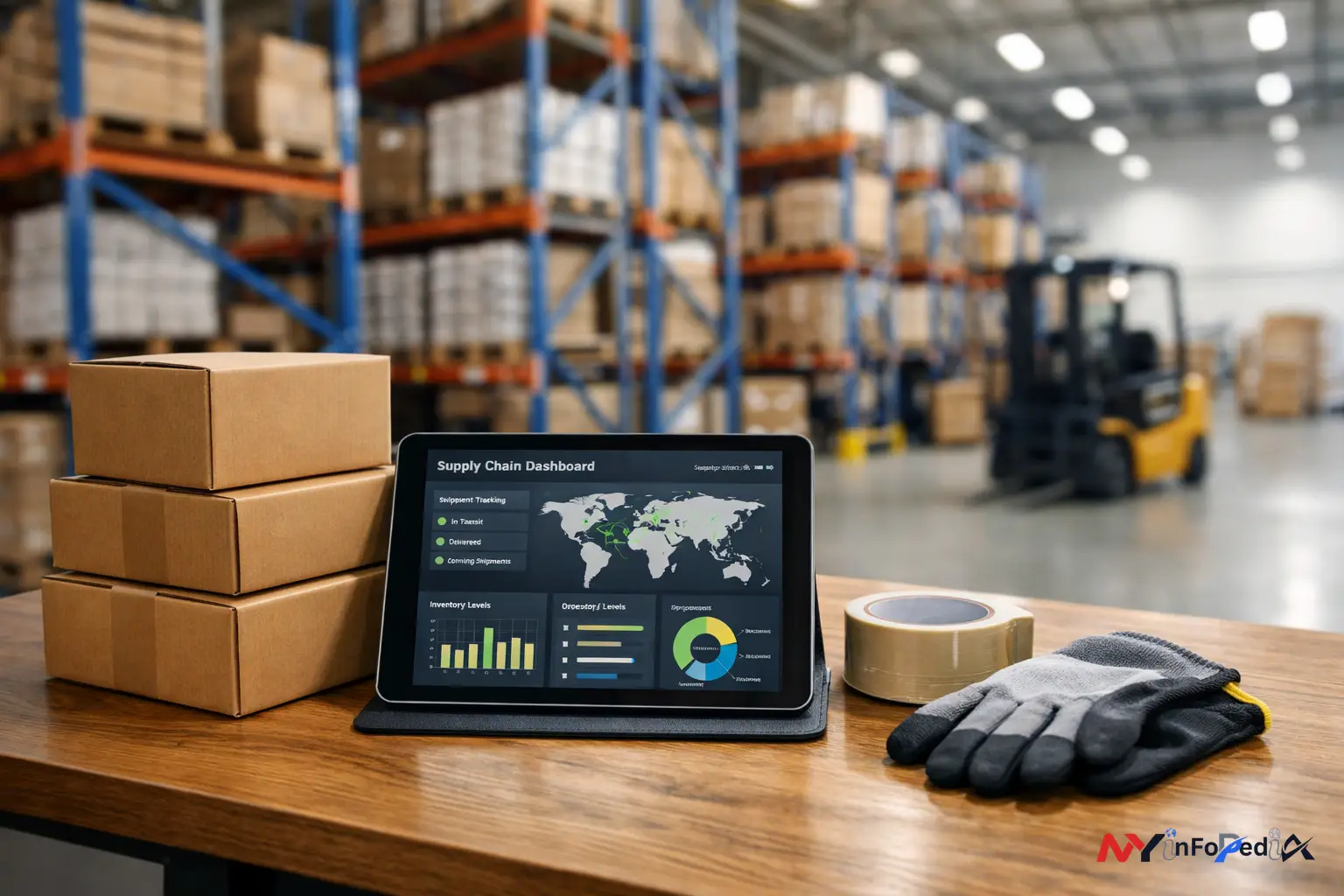
Supply chains rarely fail in dramatic ways. They slow down quietly. A delayed shipment here, a missing component there, a packaging issue that damages just enough products to hurt margins. Over time, these small inefficiencies compound into real operational risk.
That is where structured supply ecosystems like PLG Supplies come into focus. Not as a single company or platform, but as a flexible model that represents how modern businesses organize procurement, sourcing, and supply reliability.
This article takes a grounded look at how PLG Supplies functions as a framework, why centralized procurement is gaining traction, and what practical advantages businesses can extract from such an approach.
The Shift Toward Centralized Supply Models
Businesses are no longer operating in simple linear supply chains. What used to be a predictable flow of goods has evolved into a network of suppliers, logistics partners, compliance standards, and digital systems.
A fragmented procurement approach creates three recurring problems:
- Vendor overload leads to inconsistent pricing and delayed coordination
- Lack of standardization increases compliance risk
- Time spent managing suppliers reduces focus on core operations
A useful way to understand this shift is through recent disruptions. During the COVID-19 pandemic, even stable supply chains struggled—not because of a single failure, but due to poor visibility across interconnected suppliers.
Centralized supply models aim to address this by consolidating categories under one operational structure.
PLG Supplies operates as this kind of model. Instead of being a single entity, it reflects a multi-category supply strategy designed to reduce friction across procurement workflows.
Understanding the Core Supply Categories
Industrial and Office Supplies
Industrial environments demand reliability. A single tool failure can halt production lines or delay maintenance schedules.
Within a PLG Supplies model, industrial sourcing typically includes:
- Hand tools and power tools for daily operations
- Machinery accessories for maintenance and upgrades
- Safety equipment such as gloves, helmets, and protective eyewear
- Cleaning and janitorial supplies for facility upkeep
- Office infrastructure like desks, chairs, and stationery
These categories might seem basic, but they directly influence uptime and workforce efficiency.
A report by the U.S. Bureau of Labor Statistics highlights that workplace injuries often correlate with inadequate safety equipment and maintenance lapses. This reinforces the importance of consistent supply quality in operational environments.
Packaging and Logistics Materials
Packaging is often underestimated until something goes wrong. Damaged goods, inefficient packing, or incorrect labeling can disrupt entire logistics chains.
In a PLG Supplies framework, packaging solutions usually cover:
- Corrugated cartons and shipping boxes
- Protective materials like bubble wrap and foam
- Industrial tapes, strapping, and sealing tools
- Pallet wraps and shrink films
- Barcode labels and shipping identifiers
A simple insight worth noting. Packaging is not just about protection. It directly affects shipping cost through weight and volume optimization.
Plumbing and Gas Equipment
Infrastructure systems require precision and compliance. Plumbing and gas components operate under strict safety and regulatory frameworks.
Typical sourcing under this framework includes:
- Pipe systems such as PVC, CPVC, copper, and PEX
- Fittings including valves, elbows, and unions
- Flow regulators and metering devices
- Gas regulators, hoses, and connection kits
Compliance standards like ASTM, ANSI, and ASME play a critical role here. Non-compliant materials introduce not just operational risk but legal liability.
This category is particularly relevant for construction, utilities, and facility management sectors where system integrity is non-negotiable.
Medical and Safety Supplies
Medical-grade supplies operate in a zero-margin-for-error environment.
Within a PLG Supplies approach, this category includes:
- Disposable PPE such as masks, gloves, and gowns
- Face shields and full protective kits
- First-aid supplies and antiseptic materials
- Sanitization products and surface disinfectants
- Diagnostic tools like thermometers and test kits
The COVID-19 pandemic permanently shifted how organizations view hygiene and emergency preparedness. Supply continuity in this category is now considered a strategic requirement rather than a reactive measure.
Guidelines from organizations like the CDC emphasize the importance of maintaining adequate PPE reserves for both healthcare and corporate environments.
How Centralized Procurement Improves Operations
A distributed vendor model often creates hidden inefficiencies. Centralization simplifies decision-making and improves control.
Key Operational Benefits
| Area | Impact |
| Cost Control | Bulk purchasing reduces per-unit cost |
| Time Efficiency | Fewer vendors mean less coordination |
| Consistency | Standardized quality across categories |
| Compliance | Easier alignment with regulatory standards |
| Scalability | Faster expansion without supply disruption |
There is also a less obvious advantage. Data visibility improves when procurement flows through a unified structure. This allows businesses to forecast demand more accurately and reduce excess inventory.
Logistics and Delivery: The Silent Performance Driver
Delivery systems rarely get attention unless they fail. Yet they determine how quickly operations recover from disruptions.
A robust logistics framework within this framework typically includes:
- Nationwide delivery coverage
- Real-time tracking systems
- Expedited shipping options
- Freight handling for bulk orders
- Scheduled restocking programs
The integration of logistics with procurement models is becoming standard practice. Businesses no longer want separate systems for ordering and tracking. They expect visibility across the entire supply chain.
Research from McKinsey & Company shows that companies with end-to-end supply chain visibility and integrated planning systems are twice as likely to avoid major supply chain disruptions compared to those without such capabilities.
The Role of E-commerce in B2B Supply
Digital transformation has quietly reshaped procurement behavior.
Traditional procurement involved emails, phone calls, and manual approvals. Modern systems inspired by the PLG Supplies model now offer:
- Real-time product catalogs
- Instant quote generation
- Order tracking dashboards
- Automated reordering systems
This shift reduces procurement cycle time significantly.
More importantly, it introduces transparency. Pricing, availability, and delivery timelines are visible upfront, reducing uncertainty in planning.
Sustainability in Supply Chains
Sustainability is no longer a branding exercise. It is increasingly tied to regulatory compliance and customer expectations.
Eco-conscious strategies in this model include:
- Biodegradable packaging materials
- Recycled cardboard and paper products
- Low-emission manufacturing processes
- Reduced plastic usage in logistics
A study by the World Economic Forum indicates that sustainable supply chain practices can lower long-term operational costs while improving brand trust.
For businesses, this creates a dual benefit. Environmental responsibility aligns with economic efficiency.
Comparing Traditional vs Modern Supply Models
| Factor | Traditional Model | PLG Supplies Model |
| Vendor Count | High | Low |
| Coordination | Complex | Streamlined |
| Cost Transparency | Limited | High |
| Speed | Slower | Faster |
| Scalability | Restricted | Flexible |
This shift explains why more organizations are moving toward consolidated supply frameworks rather than managing multiple specialized vendors.
Real-World Use Cases
Manufacturing Facility
A production plant relies on consistent access to tools, safety gear, and maintenance components. Delays can halt operations.
This approach ensures:
- Faster restocking
- Standardized equipment
- Reduced downtime
Healthcare Provider
Hospitals require uninterrupted access to medical supplies.
Benefits include:
- Reliable PPE availability
- Faster emergency procurement
- Compliance with safety standards
E-commerce Business
Packaging efficiency directly impacts profitability.
PLG Supplies frameworks provide:
- Cost-effective packaging materials
- Faster shipping preparation
- Improved order accuracy
Challenges and Limitations
No system is without trade-offs.
Potential concerns include:
- Over-reliance on a single supply structure
- Limited niche specialization in rare product categories
- Dependency on logistics network performance
These risks can be mitigated through supplier diversification, contract flexibility, and maintaining secondary sourcing options for critical items.
What to Look for in a Supply Partner
Choosing a supply partner is less about price and more about reliability.
Key evaluation criteria:
- Product range across multiple categories
- Compliance with industry standards
- Delivery speed and geographic coverage
- Transparent pricing structures
- Strong customer support systems
A good supply framework does not just deliver products. It supports operational continuity.
The Future of Supply Chain Ecosystems
Supply chains are moving toward intelligent systems.
Emerging trends include:
- AI-driven demand forecasting
- Automated inventory management
- Smart logistics routing
- Integration with enterprise resource planning systems
The goal is simple. Reduce human friction in procurement while improving accuracy and speed.
As businesses scale, the importance of structured supply frameworks like PLG Supplies will only increase.
Conclusion
Supply chains rarely attract attention when they work well. That is precisely the point.
PLG Supplies represents a broader shift in how businesses approach procurement. Instead of managing complexity, they are choosing to reduce it through structured, multi-category supply models.
By centralizing supply categories, integrating logistics, and leveraging digital systems, companies gain more control over their operations without adding unnecessary overhead.
In practical terms, it means fewer delays, better cost management, and a smoother path to scaling operations.
Not revolutionary. Just effective.
FAQs
1. What is the PLG Supplies model?
The PLG Supplies model refers to a centralized, multi-category procurement approach where businesses streamline sourcing across industrial, packaging, safety, and operational supplies. Instead of managing multiple vendors, companies use a structured system to improve efficiency, consistency, and cost control.
2. How does centralized procurement improve supply chain efficiency?
Centralized procurement reduces vendor complexity, improves pricing through bulk purchasing, and creates better visibility into demand and inventory. This leads to faster decision-making, fewer delays, and more predictable operations.
3. What types of products are typically included in a PLG Supplies framework?
It usually covers a wide range of categories, including industrial tools, safety equipment, packaging materials, plumbing and gas components, and medical supplies. The goal is to consolidate essential operational needs under one system.
4. Is centralized supply better than using multiple specialized vendors?
It depends on the business, but centralized supply often offers better coordination, cost transparency, and scalability. However, some companies still maintain secondary suppliers for niche or critical items to reduce risk.
5. How is technology changing modern procurement systems?
Digital tools now allow real-time tracking, automated reordering, and data-driven forecasting. This reduces manual effort and improves accuracy, making procurement faster, more transparent, and easier to scale.
