


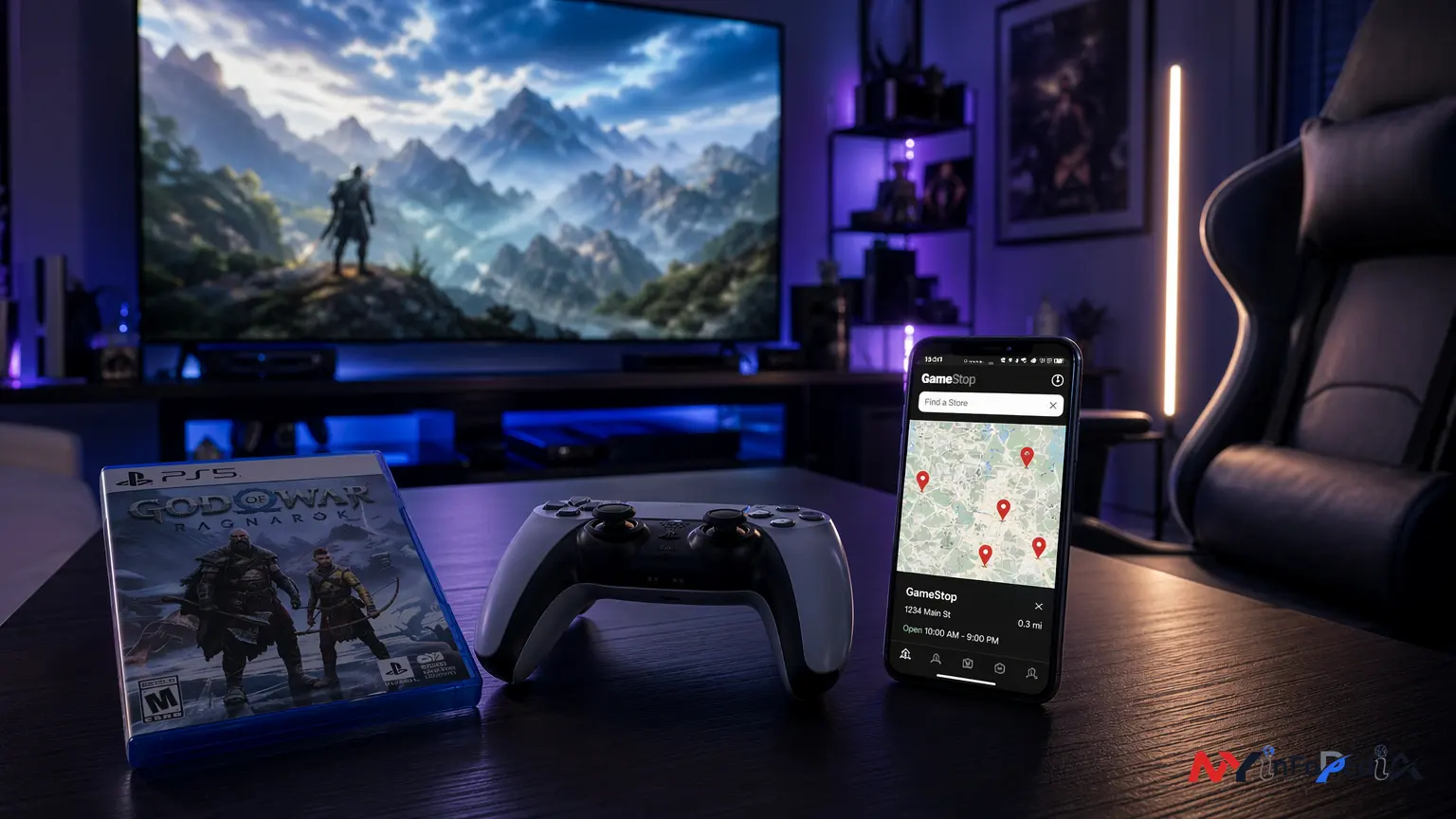
Walking into a gaming store still has a certain appeal. Browsing physical copies, talking to someone who actually plays games, and discovering unexpected titles creates a different experience compared to scrolling online. GameStop sits right at the center of that experience, but finding the right store, knowing its hours, or understanding what services it actually offers can be less straightforward than it seems.
This guide breaks down how GameStop operates across locations, how to reliably find store hours, what services you can expect, and where it still holds practical value in a digital-first gaming world.
Understanding GameStop Store Hours
Store hours at GameStop follow a pattern, but not a rigid one. Most locations operate within a predictable retail window, though variations happen based on location, demand, and local regulations.
Typical Weekly Operating Hours
Here is a general baseline observed across most stores:
| Day | Opening Time | Closing Time |
| Monday | 10:00 AM | 9:00 PM |
| Tuesday | 10:00 AM | 9:00 PM |
| Wednesday | 10:00 AM | 9:00 PM |
| Thursday | 10:00 AM | 9:00 PM |
| Friday | 10:00 AM | 9:00 PM |
| Saturday | 10:00 AM | 9:00 PM |
| Sunday | 12:00 PM | 6:00 PM |
This schedule reflects a standard retail rhythm. Weekdays and Saturdays cater to peak shopping hours, while Sundays operate on shorter hours, often aligning with local shopping patterns.
What Actually Changes in Reality
Despite the “typical” schedule, store-level differences are common. Such as:
- Mall-based stores often open later due to mall policies
- High-traffic urban stores may extend hours
- Smaller suburban locations sometimes close earlier on weekdays
- Temporary changes occur during holidays or staffing shortages
For example, many locations in cities like San Antonio or Houston follow this pattern, but mall stores often shift by 1–2 hours.
If you rely on the standard schedule without checking, you will eventually show up to a closed store. It happens more often than people expect.
How to Find Accurate GameStop Store Hours
Relying on assumptions is risky here. The most reliable approach is to use tools that reflect real-time data.
Official Store Locator
The GameStop store locator remains the most accurate method.
How it works:
- Enter city, state, or ZIP code
- Adjust search radius
- View nearby stores with:
- Exact address
- Contact number
- Daily hours
- Services available
This tool is directly connected to store-level updates, which makes it more reliable than third-party listings.
Google Maps as a Practical Alternative
Google Maps provides a fast alternative, especially on mobile.
You can find the store or store hours by searching something like:
- GameStop store near me
- GameStop store hours today
What makes it useful:
- Live hours updates
- Busy time indicators
- User reviews
- Quick navigation
However, hours on Google Maps can lag behind real-time changes, especially during holidays or unexpected closures.
Mobile App Advantage
The GameStop mobile app is often overlooked but surprisingly functional.
You can:
- Check store hours
- Track orders
- Monitor trade-in value
- Browse new releases
- Manage loyalty rewards
For frequent customers, it removes a lot of friction.
Real-World Store Availability and Patterns
Looking across multiple locations reveals a consistent operational pattern.
Geographic Spread and Density
GameStop maintains thousands of stores globally, with a strong concentration in the United States.
- Over 6,700 locations historically across multiple regions
- Presence in North America, Europe, and parts of Oceania
- Urban and suburban coverage tends to be stronger than rural
Common Location Types
Most stores fall into these categories:
- Shopping malls
- Strip malls and retail centers
- Standalone commercial units
Each type influences operating hours and foot traffic.
In-Store Services That Still Matter
Despite the rise of digital downloads, GameStop retains value through physical and service-based offerings.
Core Services
- New and pre-owned video games
- Console sales including PlayStation, Xbox, and Nintendo
- Gaming accessories such as controllers and headsets
- Trade-in programs for games and hardware
The trade-in system remains one of its defining features.
Trade-In Value System
This is where GameStop differs from standard retailers.
How it works:
- Bring eligible items
- Store evaluates condition and demand
- Receive store credit or cash equivalent
The value fluctuates based on:
- Game popularity
- Market demand
- Condition of item
It is not always the best monetary deal, but it offers immediate liquidity, which many customers prioritize.
Holiday Hours and Seasonal Variations
GameStop adjusts operations during holidays, which can affect both availability and shopping strategy.
Common Open Holidays
- Black Friday
- Christmas Eve
- New Year’s Eve
- Valentine’s Day
- Memorial Day
Common Closed Days
- Thanksgiving Day
- Christmas Day
- Independence Day
Even on open holidays, hours are usually shortened.
Why This Matters
Holiday periods often coincide with:
- Major game releases
- Gift purchases
- Limited stock availability
Planning ahead is not optional here. Waiting too long often means missing out.
Customer Experience Insights from Real Scenarios
Looking at actual user experiences reveals something important. GameStop’s value is not just inventory, but interaction.
Typical Positive Experience
- Staff helping locate hard-to-find items
- Recommendations based on actual gameplay knowledge
- Assistance with pre-orders and availability
Typical Friction Points
- Trade-in value perceived as low
- Limited stock on release days
- Store size constraints affecting selection
This creates a mixed but realistic expectation. It works best when used for convenience and immediacy rather than price optimization.
GameStop vs Digital Platforms
It is fair to ask whether physical game stores still make sense.
Where GameStop Still Wins
- Instant access to physical copies
- Trade-in credit system
- Human assistance and recommendations
- Collectibles and merchandise
Where It Falls Behind
- Pricing compared to digital sales
- Limited inventory compared to online marketplaces
- Dependence on physical visits
The model survives because it fills gaps that digital platforms do not fully address.
GameStop Corporate Structure and Background
Understanding the company gives context to how it operates today.
GameStop Corporation is headquartered in Grapevine, Texas. It emerged as a major retail force after being spun off from Barnes & Noble in 2004.
Key Operational Facts
- Operates under multiple brands historically, including EB Games and MicroMania
- Expanded internationally across multiple continents
- Diversified into digital ventures such as online platforms and mobile services
Leadership changes and market shifts have influenced its strategy, especially with the rise of digital distribution.
Practical Tips for Visiting a GameStop Store
These are small details, but they save time and frustration.
Before You Go
- Check exact store hours using locator or app
- Confirm item availability if possible
- Avoid peak hours if you want staff assistance
During Your Visit
- Ask about trade-in bonuses or promotions
- Check pre-owned section for value deals
- Look for bundled offers on accessories
After Your Visit
- Track purchases through the app
- Monitor upcoming releases for pre-orders
- Use loyalty programs for future savings
The Real Role of GameStop Today
GameStop is no longer just a retail chain selling discs. It operates as a hybrid model combining retail, service, and community interaction.
It serves:
- Casual buyers who want quick purchases
- Collectors looking for physical editions
- Gamers trading older titles for newer ones
It does not replace digital platforms, but it complements them in specific use cases.
Final Thoughts
GameStop continues to function because it adapts, even if slowly. The experience it offers is not purely transactional. It still carries a sense of discovery, especially for players who prefer something tangible.
If you approach it with the right expectations, it remains useful. If you expect it to compete purely on price or selection with online platforms, it will fall short.
The key is knowing when and why to use it.
FAQs
1. What are the typical GameStop store hours?
Most GameStop locations operate from around 10:00 AM to 9:00 PM on weekdays and Saturdays, while Sundays often have shorter hours (commonly 12:00 PM to 6:00 PM). However, hours can vary depending on location, especially in malls or high-traffic areas, so checking your local store is always recommended.
2. Why did GameStop charge me $25 on my card?
This charge is usually linked to the GameStop Pro Membership auto-renewal. If you previously signed up, the membership automatically renews each year and the fee is charged unless you cancel it in advance. It may also include small tax adjustments depending on your location.
3. Can I still buy consoles like PS5 at GameStop?
Yes, you can purchase consoles such as the PlayStation 5 from GameStop stores, but availability depends on stock. Some locations may sell out quickly, so it’s often a good idea to check availability online or call your nearest store before visiting.
4. How much do GameStop employees earn?
Employees at GameStop typically earn around $15 to $17 per hour in entry-level retail positions in the U.S. Pay can vary based on experience, location, and role, with some positions offering additional performance-based incentives.
5. Is GameStop still relevant in the digital gaming era?
Yes, but its role has changed. While digital downloads dominate gaming, GameStop still remains relevant for:
- Physical game collectors
- Trade-in services
- Instant console and accessory purchases
- In-store customer support
It now works more as a hybrid retail + service experience rather than just a game seller.
