


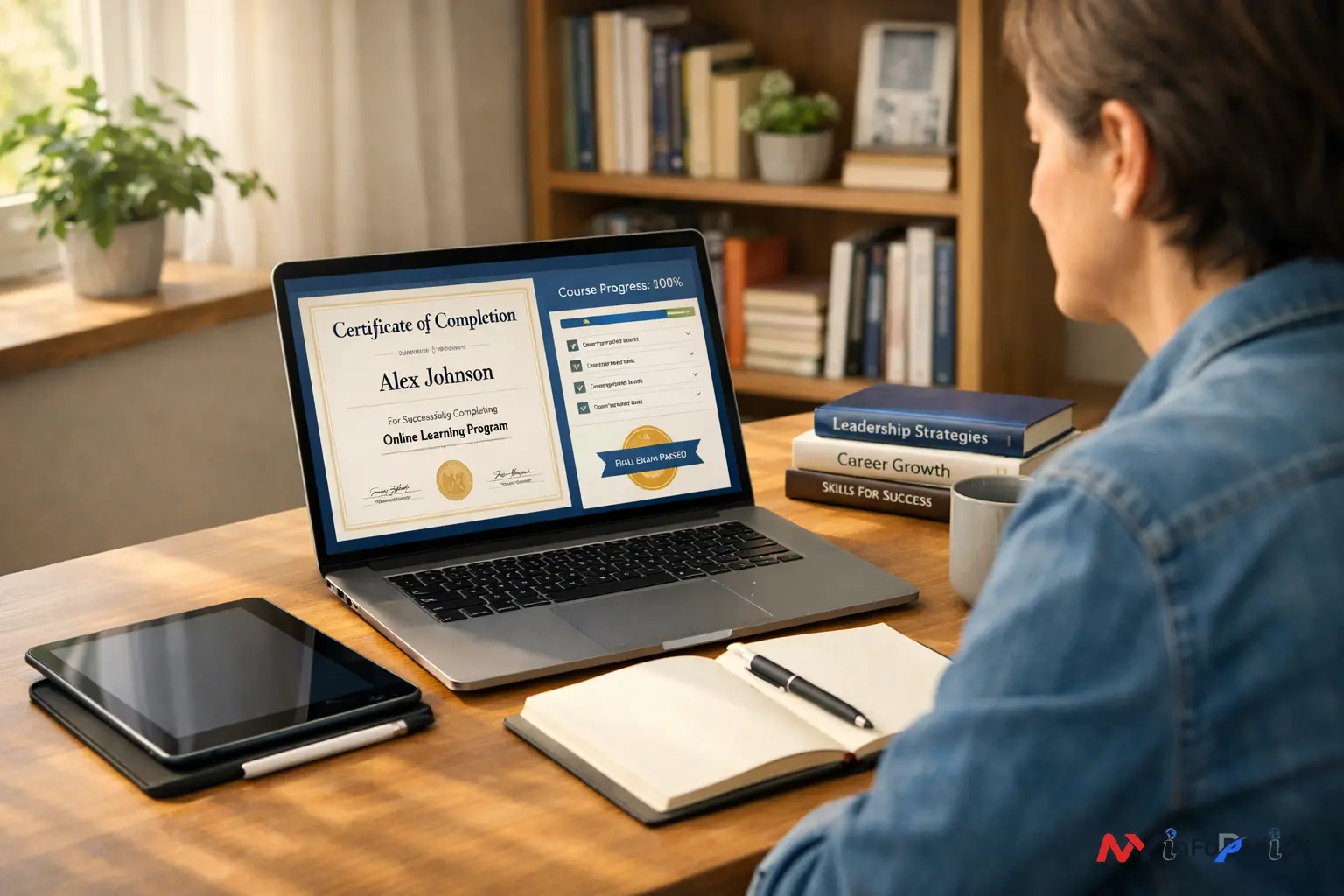
Continuing education is one of those concepts that sounds simple until you actually try to define it. It is not just about taking another course or earning a certificate. It is about how people keep learning after formal schooling ends, and more importantly, why they choose to do so.
In a world where skills age faster than ever, continuing education has shifted from a nice extra to something closer to a professional necessity. Yet it is not only about careers. Many people return to learning for curiosity, confidence, or even a sense of direction.
This article explores what continuing education really means, how it works in practice, and where it fits in modern life.
What Is Continuing Education
Continuing education refers to any structured learning activity that takes place after formal education. It typically involves adults who want to build new skills, improve existing ones, or explore new areas of knowledge.
At its core, it includes:
- Professional training programs
- Online and in-person courses
- Workshops, seminars, and certifications
- Degree and non-degree learning paths
Unlike traditional education, it is flexible. It adapts to working schedules, personal goals, and industry needs.
A simple way to understand it is this. Formal education builds your foundation. Continuing education keeps that foundation relevant.
Why Continuing Education Matters Today
The importance of continuing education has grown sharply in recent years. The main driver is not academic. It is economic and technological change.
Skills Do Not Stay Relevant Forever
Industries evolve quickly. A skill that was valuable five years ago may already be outdated. This creates a gap between what people know and what the market needs.
Continuing education helps close that gap through:
- Upskilling, improving current abilities
- Reskilling, learning entirely new competencies
- Staying aligned with industry standards
Career Stability and Growth
Employers now look beyond degrees. They pay attention to whether someone continues learning.
Practical benefits include:
- Better job opportunities
- Higher earning potential
- Increased chances of promotion
- Greater job security
Personal Development and Mental Engagement
There is also a quieter benefit that people often overlook. Learning keeps the mind active.
People who engage in continuous learning often report:
- Improved cognitive flexibility
- Higher confidence
- Stronger social connections through group learning
In a way, continuing education is not just about staying employable. It is about staying mentally sharp.
Types of Continuing Education
Continuing education is not a single path. It exists in several formats, each designed for different needs.
Degree-Based Programs
These programs allow learners to earn academic credits or complete full degrees later in life.
Examples include:
- Associate, bachelor’s, or master’s degrees
- Second degrees for career shifts
- Evening or weekend college programs
These are ideal for those looking for long-term career transformation.
Non-Degree and Certificate Courses
These are shorter and more focused programs.
Common formats include:
- Professional certificates
- Industry-specific training
- Skill-based online courses
They are designed for speed and practicality. Many can be completed within weeks or months.
Online Learning Platforms
Online education has become one of the most popular forms of continuing education.
Key features include:
- Self-paced learning
- Remote accessibility
- Wide range of topics
Popular subjects include programming, business, healthcare, and design.
Workplace Training
Many organizations provide training programs to their employees.
These include:
- On-the-job training
- Internal workshops
- Leadership development programs
This form benefits both the employee and the employer by improving productivity and efficiency.
Work-Integrated Learning
This combines academic learning with real-world experience.
Examples include:
- Internships
- Apprenticeships
- Cooperative education programs
It is particularly useful for gaining practical exposure while learning.
It is important to distinguish between the type of education and how it is delivered. While types refer to what you learn, delivery methods focus on how that learning is experienced.
Continuing Education vs Professional Development
These two terms are often used interchangeably, but there is a subtle difference.
| Aspect | Continuing Education | Professional Development |
| Scope | More structured learning programs | Broader skill development activities |
| Format | Courses, certifications, degrees | Mentoring, workshops, projects |
| Goal | Formal learning and credentials | Overall career growth |
Continuing education is actually a part of professional development, not the whole of it.
Key Fields That Require Continuing Education
Some professions require ongoing education as a condition for practice. This is not optional.
Healthcare
- Doctors, nurses, and medical professionals must complete continuing medical education
- Helps maintain competence and learn new treatments
Law
- Lawyers are required to complete continuing legal education
- Keeps them updated on legal changes and regulations
Real Estate
- Agents must complete periodic training to renew licenses
Education
- Teachers often need ongoing training to maintain certification
Engineering and Technical Fields
- Professionals must stay updated with new technologies and standards
In these fields, continuing education is tied directly to licensing and compliance.
Understanding Continuing Education Units CEU
In many industries, continuing education is not just encouraged, it is measured. This is where Continuing Education Units (CEUs) come into play, providing a standardized way to track structured learning.
Basic Structure
- 1 CEU equals 10 hours of instruction
- Used to track participation in professional programs
Why CEUs Matter
- Required for license renewal in many professions
- Provide proof of ongoing learning
- Help compare different programs
However, not all courses offer CEUs. Some use alternative credit systems depending on the industry.
Delivery Methods of Continuing Education
While continuing education can take many forms, the way it is delivered has evolved significantly, offering learners more flexibility than ever before.
Traditional Learning
- Classroom lectures
- Laboratory sessions
- Face-to-face workshops
Distance Learning
- Online courses
- Video-based lectures
- Virtual classrooms
Hybrid Learning
- Combination of in-person and online learning
- Flexible and widely adopted
Each method serves different learning styles. The choice depends on convenience, budget, and goals.
Benefits of Continuing Education
The advantages are both immediate and long-term.
Career Benefits
Continuing education directly improves employability by signaling to employers that skills are current and relevant. In many industries, certifications and updated training can influence hiring decisions, promotions, and even salary brackets.
Organizational Benefits
For organizations, investing in employee learning leads to measurable gains in productivity, efficiency, and innovation. Teams that stay updated adapt faster to change and require less time to implement new systems or processes.
Personal Benefits
Beyond career outcomes, continuing education contributes to personal growth. It strengthens confidence, encourages independent thinking, and helps individuals remain mentally engaged in a rapidly changing world.
Challenges and Limitations
Continuing education is valuable, but it is not without challenges.
Time Constraints
One of the most common barriers is time. Balancing professional responsibilities, personal life, and learning commitments often requires careful planning and consistency.
Financial Cost
While many courses are affordable, degree programs and specialized certifications can be costly. However, the long-term return on investment often justifies the expense.
Motivation and Consistency
Self-paced learning offers flexibility, but it also demands discipline. Without structured deadlines, many learners struggle to complete what they start.
Quality Variation
Not all programs deliver the same value. Some courses lack depth or industry relevance, making it important to evaluate providers before committing.
Understanding these limitations helps in making better decisions.
How to Choose the Right Continuing Education Program
Choosing the right continuing education program requires more than convenience. It involves aligning learning choices with clear personal or professional objectives.
Step-by-Step Approach
- Define your objective, skill upgrade, career shift, or personal interest
- Evaluate program credibility and accreditation
- Compare course duration and flexibility
- Check industry relevance
- Consider cost versus return on investment
Quick Evaluation Table
| Factor | What to Look For |
| Relevance | Matches career or personal goals |
| Flexibility | Fits your schedule |
| Accreditation | Recognized by industry bodies |
| Cost | Reasonable compared to benefits |
| Outcomes | Clear skills or certifications |
A well-chosen program should not only fit your schedule but also deliver measurable outcomes. The goal is not just completion, but meaningful skill development that can be applied in real-world scenarios.
Real-World Example
A practical example helps illustrate how continuing education works in real life.
Consider a nurse who wants to move into a specialized healthcare role. Instead of returning to full-time college, they might:
- Take continuing education nursing courses online
- Earn required CEUs for license renewal
- Gain certifications in a specialized field
This approach is faster, more flexible, and directly aligned with career goals.
Future of Continuing Education
Continuing education is evolving rapidly, shaped by technology, changing workforce demands, and shifting learning preferences.
Key trends include:
- AI-driven learning recommendations
- Micro-credentials and short certifications
- Increased demand for online education
- Integration with workplace systems
Learning is becoming continuous, embedded, and highly targeted.
Conclusion
Continuing education is no longer a secondary option. It has become a central part of how people grow, adapt, and stay relevant.
It supports careers, strengthens industries, and enriches personal lives. Whether someone wants to earn more, switch fields, or simply learn something new, continuing education offers a practical path forward.
The question is no longer whether you should continue learning, but how quickly you’re willing to adapt. The real shift is not in the availability of courses. It is in mindset. Learning does not end with a degree. It evolves with you.
FAQs
What is continuing education in simple terms
Continuing education refers to learning activities that take place after formal schooling, aimed at improving skills, gaining knowledge, or advancing careers.
Is continuing education the same as professional development
Not exactly. Continuing education focuses on structured learning like courses and certifications, while professional development includes broader activities such as mentoring and work experience.
Who needs continuing education the most
Professionals in fields like healthcare, law, education, and engineering often require it for license renewal, but it is beneficial for anyone looking to stay competitive.
Are online courses considered continuing education?
Yes. Online courses are one of the most common and flexible forms of continuing education today. Platforms like Coursera, Udemy, and edX offer a wide range of courses that help learners develop new skills, earn certifications, and stay updated with industry trends.
Do all continuing education programs offer CEUs
No. Some programs provide CEUs, while others use different certification or credit systems depending on the provider or industry.
